

Current Threats
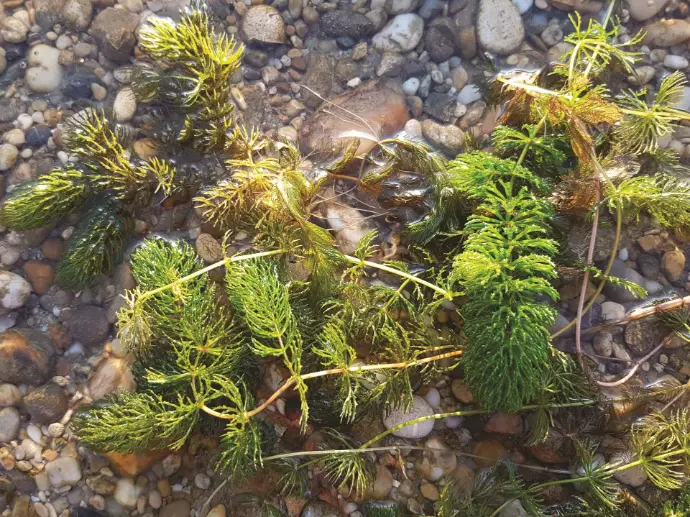
Spiked water-milfoil (Myriophyllum spicatum)
- Invasive species of Eurasian origin
- Explosive proliferation by fragmentation
- Impact: Suffocation of native vegetation, habitat degradation
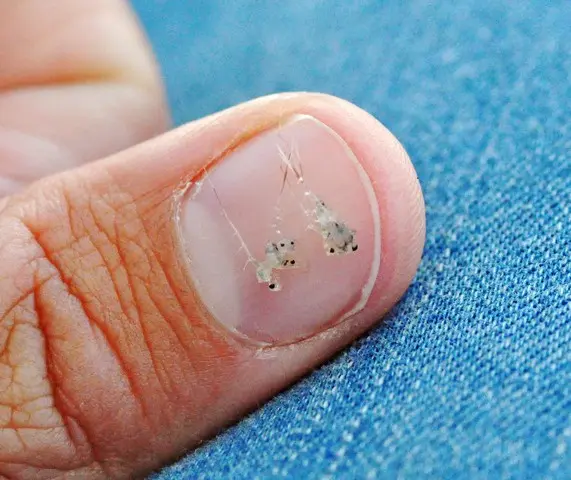
Spiny Cladoceran
- Detected in the Baskatong reservoir
- Risk of spread through water activities
- Impact: Disruption of the aquatic food chain

Water quality
- Monitoring of acidification
- Monitoring nutrient levels
- Impact: Ecosystem health and recreational use
Spiked water-milfoil (Myriophyllum spicatum)
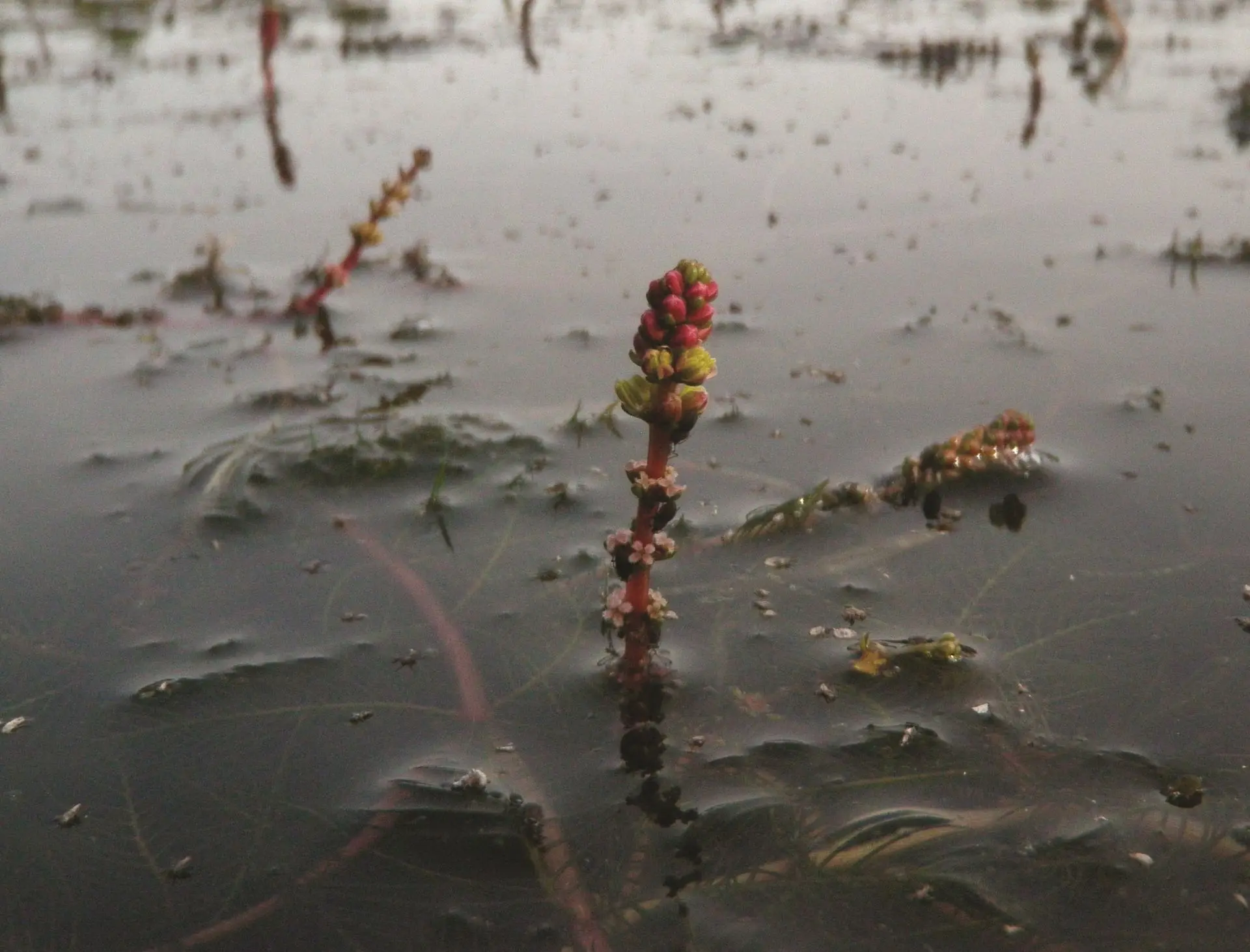
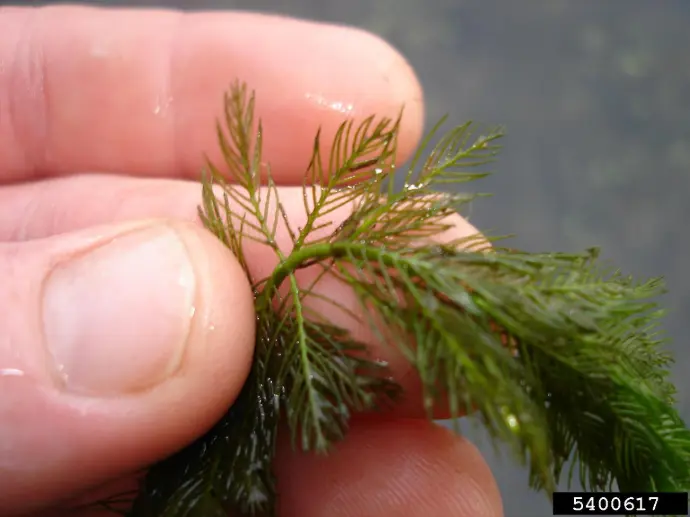
Eurasian water-milfoil represents one of the most serious threats to Lake Pope's ecosystem. This invasive aquatic plant of Eurasian origin possesses an extraordinary reproductive capacity that allows it to rapidly colonize vast aquatic areas..
Its propagation method through fragmentation means that a single stem fragment can generate an entirely new colony. Boat propellers and fishing equipment inadvertently transport these fragments from one body of water to another, accelerating contamination.
The ecological consequences are dramatic: the plant forms dense mats that block sunlight, depriving native species of resources necessary for their survival and transforming natural habitat into an aquatic desert.
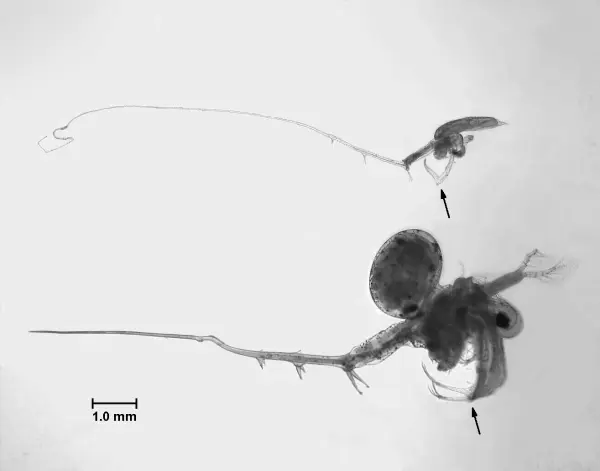
Spiny Cladoceran
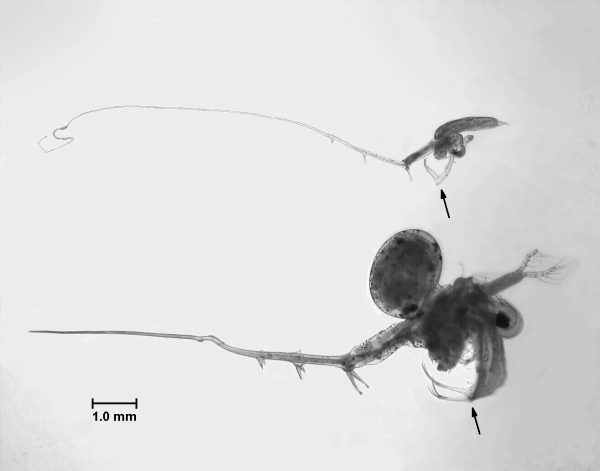
The detection of spiny water flea in Baskatong reservoir sounds the alarm for all connected lakes in the region, including Lake Pope. This tiny crustacean of less than 15 millimeters poses a threat disproportionate to its size.
Its asexual reproduction capacity allows it to proliferate rapidly in new environments. Boating equipment, live bait, and even wet clothing can serve as transmission vectors, making its spread particularly insidious.
The impact on the food chain is considerable: by modifying zooplankton composition, it disrupts the feeding of native fish and can cause irreversible changes in the structure of the aquatic ecosystem.
Spiny Cladoceran
The detection of spiny water flea in Baskatong reservoir sounds the alarm for all connected lakes in the region, including Lake Pope. This tiny crustacean of less than 15 millimeters poses a threat disproportionate to its size.
Its asexual reproduction capacity allows it to proliferate rapidly in new environments. Boating equipment, live bait, and even wet clothing can serve as transmission vectors, making its spread particularly insidious.
The impact on the food chain is considerable: by modifying zooplankton composition, it disrupts the feeding of native fish and can cause irreversible changes in the structure of the aquatic ecosystem.
Water quality
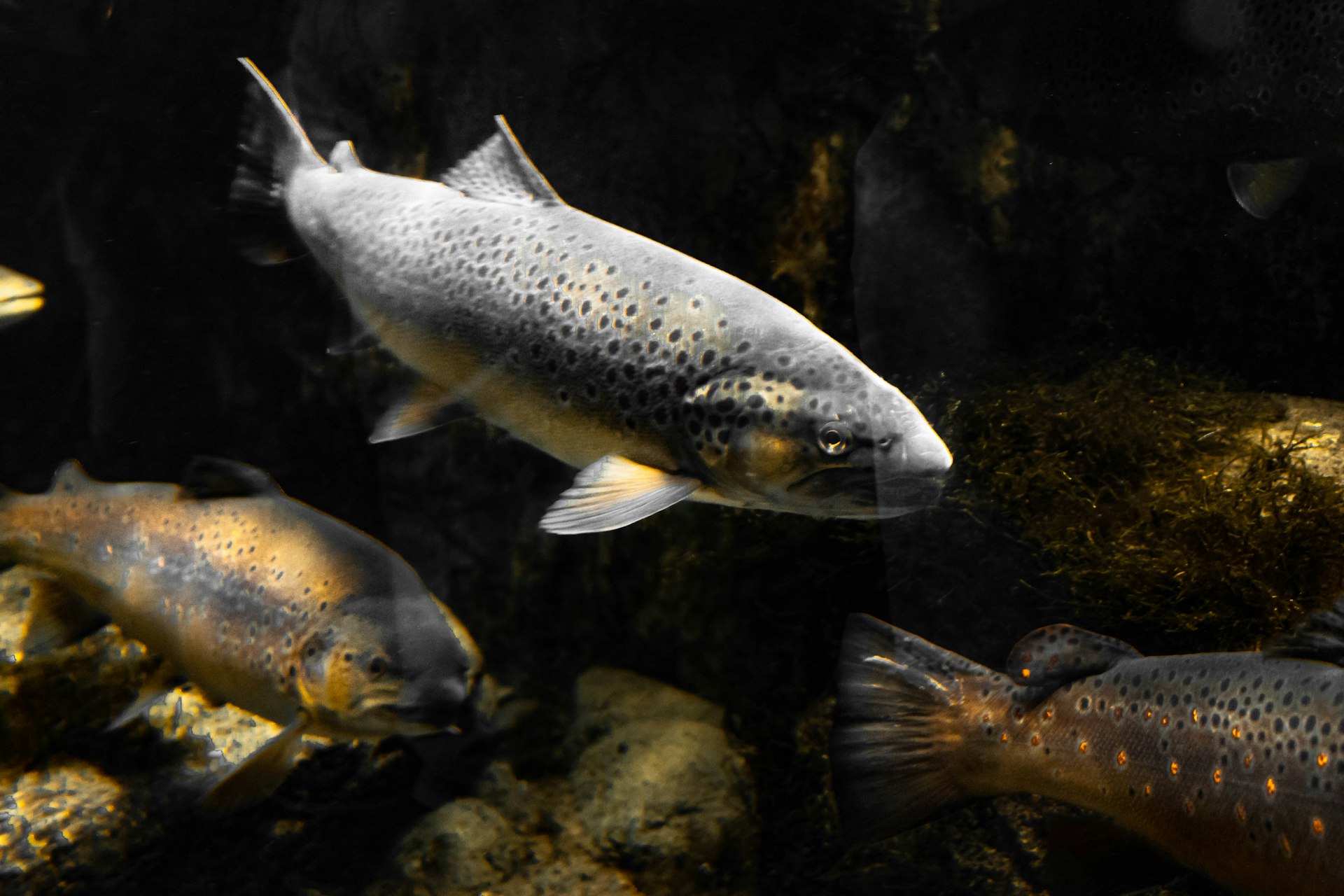
Monitoring Lake Pope's water quality requires constant attention in the face of increasing environmental pressures. Progressive acidification, caused by atmospheric deposits and climate change, threatens the lake's delicate chemical balance.
Nutrient levels constitute another critical indicator: excess phosphorus and nitrogen can trigger eutrophication episodes, leading to toxic algae proliferation and decreased dissolved oxygen levels.
These changes directly affect aquatic biodiversity and compromise recreational activities. Swimming, fishing, and water sports become risky when water quality deteriorates, impacting the local economy and residents' quality of life.